


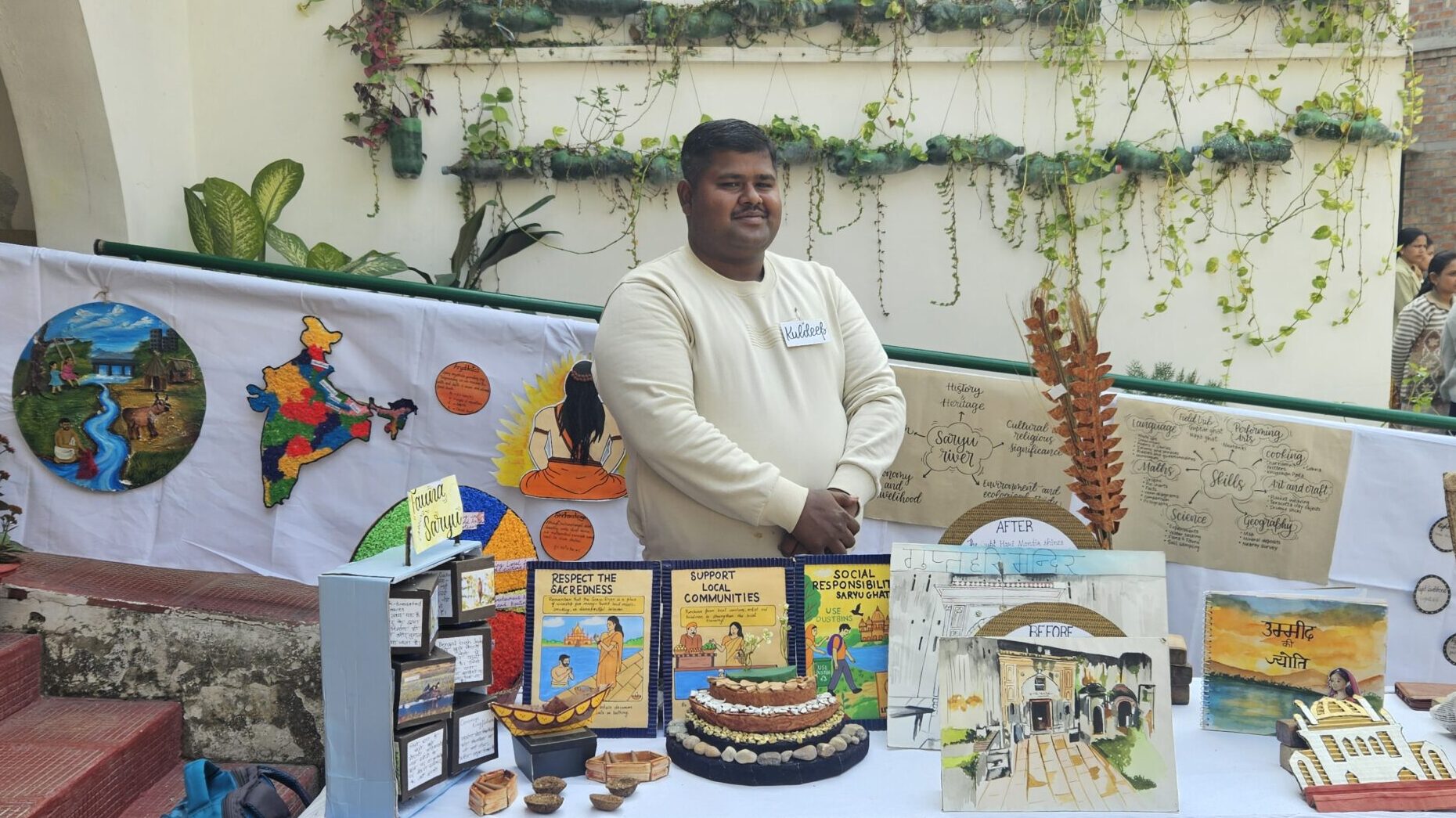

“पहले लगा – बच्चों को पढ़ाना? ये कोई काम है! सोच ये थी कि बच्चों को पढ़ाना सबसे आसान काम है,” says Kuldeep.
“फिर समझ आया, ये सबसे ज़्यादा धैर्य, समझ, और संवेदनशीलता का कार्य है,” he adds.
With a background in commerce and law, building a career in pre-primary education was never on the cards for Kuldeep. That is, until Soni, a Krishna Niketan teacher and his wife, encouraged him to think in this direction.
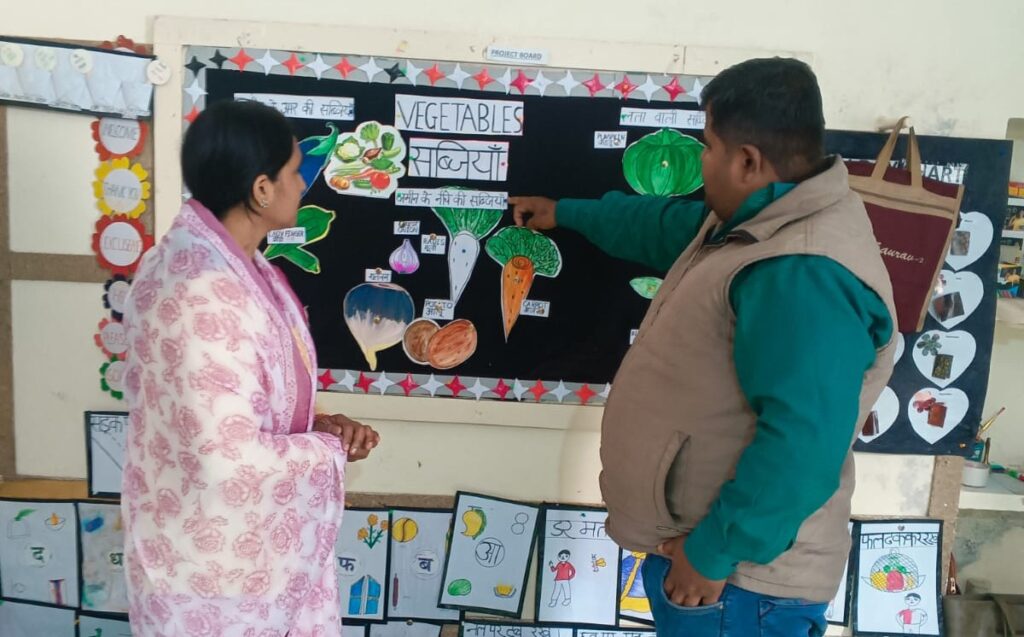
Once Kuldeep stepped into a preschool classroom, it challenged his belief that pre-primary teaching is easy and belongs only to women.
As he discovered the patience, empathy, and skill it demands, the impact went beyond the classroom.
In a rural setting, his journey reshaped what fatherhood looks like – more present, sensitive, and aware.
At home, Kuldeep and Soni started to share their days as equals, learning not just from their work but from their children.
As others observed this shift, it began to ripple outward – influencing the local community to see that care is not a role defined by gender, but a responsibility shared by all.
An invitation that hit a deeper hesitation
“जैसे हम बाहर निकल जाते हैं, तो वो घर पे रहते हैं, बच्चों को देखना, कॉपी कैसे किया, वर्क किया कि नहीं, उसमें इंटरेस्ट है,” tells Soni, on how Kuldeep has always taken an interest in their children’s care and education.
At the end of long days, when work or family stress would weigh on her, Kuldeep would help her think things through. Soni remembers saying to him one day, “आप खुद ही मुझे समझाते हैं कि ऐसा नहीं, ऐसा करो। जब आप इतना समझते हो, तो मेरे साथ कर ही क्यों नहीं लेते?”
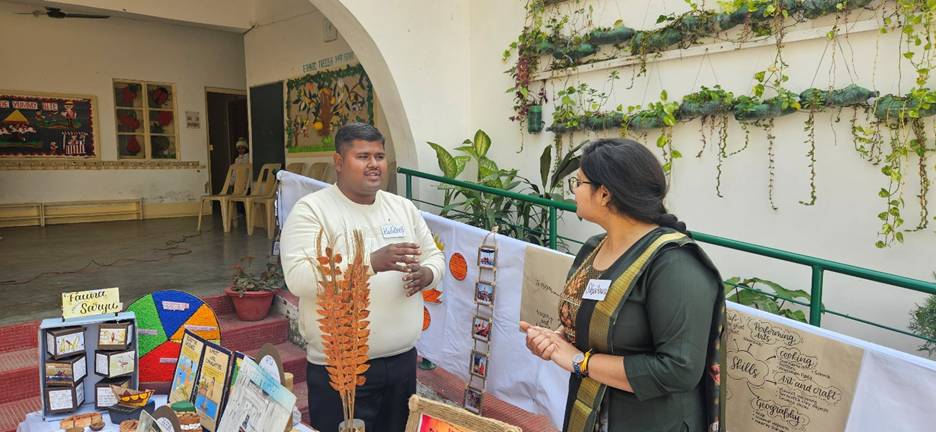
Soni was talking about enrolling in the NTT (Nursery Teacher Training) program run by JBNSS (Jingle Bell Nursery School Society) in Ayodhya, Uttar Pradesh. She had completed it earlier and started working as a teacher, “NTT सिर्फ एक डिप्लोमा ही नहीं देता, आपकी काया पलट कर देता है।”
However, care work, especially with young children, is still widely seen as women’s work. It is undervalued and rarely associated with skill or ambition. According to a 2025 IndiaSpend report, only 4% of India’s pre-primary educators are men.
The hesitation is not just personal, but social. With Soni’s persistent encouragement, Kuldeep decided to give NTT a shot. Still, relatives asked Kuldeep’s family, “ये NTT क्यों कर रहे हैं?”
“शुरुआती दौर में हम बताते ही नहीं थे किसी से। कुछ लोग नेगेटिव रहते हैं क्योंकि मेल का एक स्टेटस होता है – घर, परिवार, और ज़िम्मेदारी का। लोग पूछते हैं कितना कमा लोगे।”
– Kuldeep.
But his interest in caring for children soon became a deeper commitment to early childhood education.
Early childhood learning as a foundational need
“जब मैंने शुरू किया, तब समझ आया कि प्रारंभिक शिक्षा बच्चों के जीवन में सबसे गहरा प्रभाव डालती है,” Kuldeep recalls.
The nine-month training introduced him to child psychology, classroom observation, storytelling, and early learning as well as self-development practices. He shares, “एक पुस्तक, ‘दिवा स्वप्न’, पढ़ी। तो लगा जैसे अपनी ही कहानी है। एक पुरुष हो के, प्राइमरी शिक्षा के लिए, बच्चों के लिए उसमें बहुत-सी बातें की गई हैं।”
He found himself drawn in by a growing sense of purpose,“सीखने की ललक जगी। एक महीने के अंदर लगा कि मुझे पूरा करना है।”
Over multiple classroom observations in various schools and Krishna Niketan centers, Kuldeep observed, “हमने देखा बच्चे कॉपी-किताब नहीं, सिर्फ लंच बॉक्स और बोतल लाते हैं। बाकी सब टीचर करवाती हैं। तब समझ आया कि इस तरह भी शिक्षा होती है।”
This was a sharp contrast to his own schooling experience. The idea that learning could be child-centered, exploratory, and rooted in play was new – and powerful. He began to understand something many parents still struggle to see.
“हमारे यहाँ सोच होती है – अभी छोटे हैं, स्कूल क्यों जाएंगे? लेकिन 1.5 से 3 साल के बच्चों का दिमाग सबसे तेज़ विकास करता है। ये हर चीज़ समझने लगते हैं।” He pauses, then adds, “प्राइमरी शिक्षा का काम छोटा नहीं, बल्कि बहुत महत्वपूर्ण है। अगर शुरुआत गड़बड़ हो गई, तो बच्चे के भविष्य पर प्रभाव पड़ता है।”
When learning goes beyond the classroom
“बच्चे इनके साथ तुरंत खुल जाते हैं। रोने लगे तो बोलते हैं – कुलदीप भैया के पास ले जाओ,” shares Tripti, a colleague from his training batch. Kuldeep would take children to the garden, show them flowers and vegetables, and nudge them to learn through curiosity.
He also began noticing gaps in school systems – from maintenance and communication to student safety. In response, he introduced small but practical changes like cleaning schedules, better staff coordination, and digital tracking for school transport.
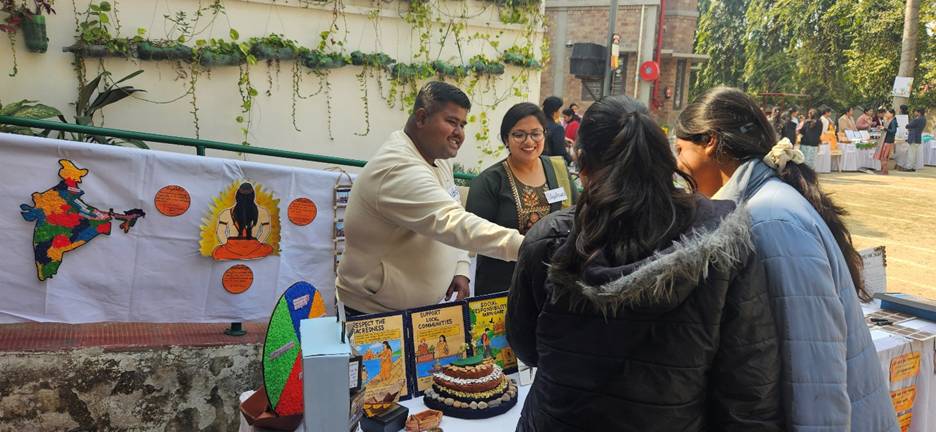
He also learned that managing parents’ expectations is a major part of the work.“पेरेंट्स चाहते हैं कि बच्चा तुरंत बताए कि स्कूल में क्या हुआ। पर बच्चे अपने मूड के हिसाब से शेयर करते हैं,” he explains.
Being a parent helped him navigate these conversations with empathy.
In some cases, his observations made a critical difference – from identifying a child’s unusual walking pattern later linked to polio, to helping families better understand special needs.
“6 महीने बाद पेरेंट्स खुद बोलते हैं – बदलाव दिख रहा है,” he says.
Why representation matters – at class and at home
For Kuldeep, being a male teacher in a nursery classroom is not incidental. His presence offers children something they don’t often see at that age – a male caregiver who is patient, attentive, and emotionally engaged.
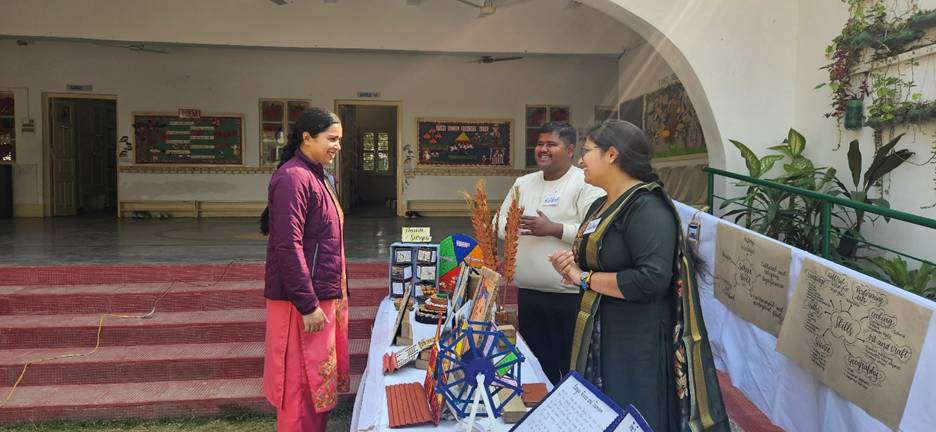
“टीचर रोल मॉडल होते हैं। आप जैसा करेंगे, वैसा बच्चे करेंगे। अनुशासन, सुरक्षा की भावना, और एक संतुलित रोल मॉडल – ये सब बच्चे ऑब्ज़र्व करके सीखते हैं।” he says.
Other teachers notice a difference. “तुम्हारे क्लास के बच्चे सबसे ज़्यादा एक्टिव हैं,” they tell him.
The changes don’t stop at work. At home, Kuldeep and Soni found their relationship evolving. “समझ और सहानुभूति बढ़ गई है,” Kuldeep says. “दोनों में से कोई देर से आता है तो पता है कोई बात होगी। पहले बातें अलग होती थीं, अब बच्चों को लेकर होती हैं।”
Soni notices it too. “पहले मैं कुछ समझाती थी तो कहते थे, तुम ऐसे ही बोल रही हो। अब कहते हैं – हाँ, सही कह रही हो।”
Their approach to parenting has also shifted. “पहले हम ज़बरदस्ती पढ़ाते थे। अब समझ आ गया है – बच्चे स्वयं सीखते हैं, फोर्स नहीं करना चाहिए,” adds Soni.
The start of a ripple effect
Kuldeep is aware that his choice still sits outside social expectations. But his conviction has grown stronger,“ये मेरा जुनून है। जब मैं लोगों को बच्चों के बारे में बताता हूँ, उन्हें महसूस होता है कि ये सही है।”
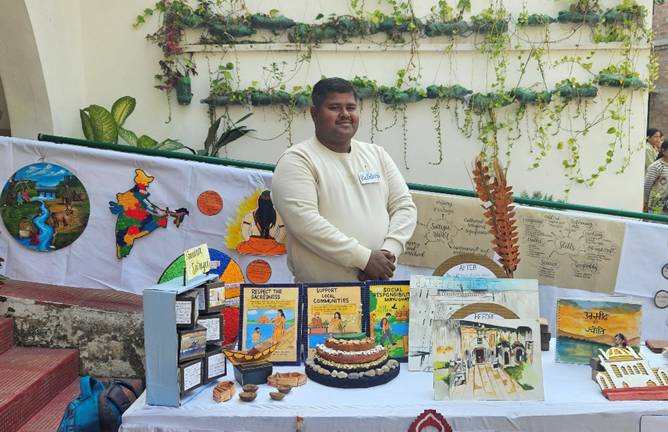
Soni shares, “जो पहले कहते थे, हम जेंट्स हो कर वहाँ नहीं जाएंगे, अब इन्हें देख के कहते हैं – भाभी, हम भी कर लिए होते तो शायद साथ में होते।” She then encourages them, “अभी देर नहीं हुई है, आप अगले साल कर लीजिएगा, हो जाएगा।”
Kuldeep adds a message, “मेल के लिए एक स्टेटस मेंटेन करना, सैलरी कम होना – दिमाग में लोगों के होता है। लेकिन अगर आप अच्छा करेंगे, तो सोच से परे है। बच्चों के साथ काम करने में बहुत कुछ सीखने को मिलता है। अगर कोई पेरेंट है, तो उन्हें भी एक बार ये काम समझना चाहिए।”